


Silicon-Carbon Batteries
Working principles | Materials for silicon-carbon batteries | Compared to graphite anodes | Challenges and limitations
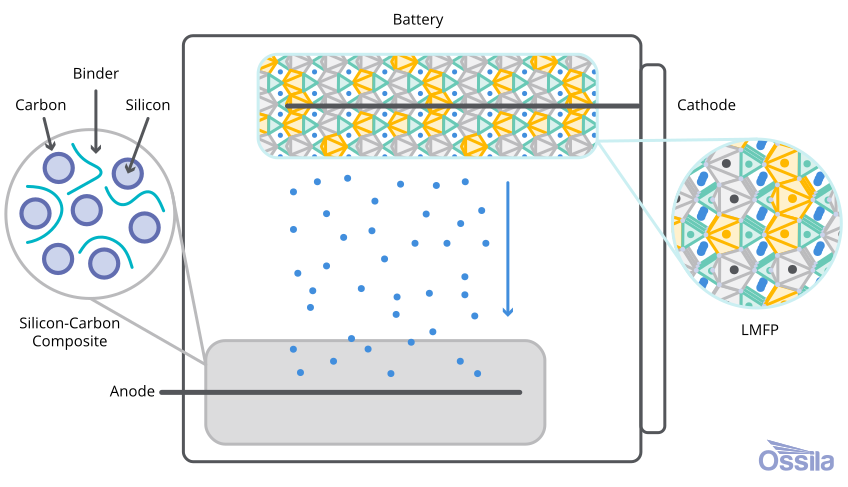
Silicon-carbon batteries are a type of lithium-ion battery (LIB) with a silicon and carbon composite anode rather than a graphite anode. The cathode is made from traditional lithium-ion battery materials such as lithium cobalt oxide (LCO) and lithium manganese iron phosphate (LMFP).
Anode material and composition remain some of the most influential components in improving LIB’s energy density. The anode is key for battery capacity as it is the host for lithium ions during charging. Graphite is the commercial standard anode material, but its theoretical capacity is limited to only 372 mAh g–1. In order to improve energy density and power efficiency for market demands it is necessary to develop advanced anode materials. Silicon is a good option due to its ultrahigh theoretical capacity of ∼4200 mAh g–1 as each silicon atoms can host 4.4 lithium ions. Silicon also has a low delithiation potential, ensuring the battery maintains a high operating voltage and excellent overall energy density. Its high natural abundance also makes it an attractive anode material. However, extreme volume expansion of nearly 400% during lithiation, poor intrinsic electrical conductivity, and unstable solid-electrolyte interphase (SEI) can result in to rapid capacity fade and loss of activity. Silicon carbide (SiC) and other silicon-carbon composites offer the best of both materials with properties including mechanical robustness, thermal and chemical stability, and tunable electronic properties.
How Do Silicon-Carbon Batteries Work?
Silicon-carbon batteries work in the same way as traditional lithium-ion batteries. The cathode material is the source or lithium ions which migrate through the battery cell into the anode material upon charging. The key difference is that the anode material is a silicon-carbon composite which hosts the lithium ions rather than pure graphite typically found in LIBs. Silicon hosts lithium-ions via a dynamic intermetallic alloying process where each silicon atom can host up to 4.4 lithium ions (Li22Si5).
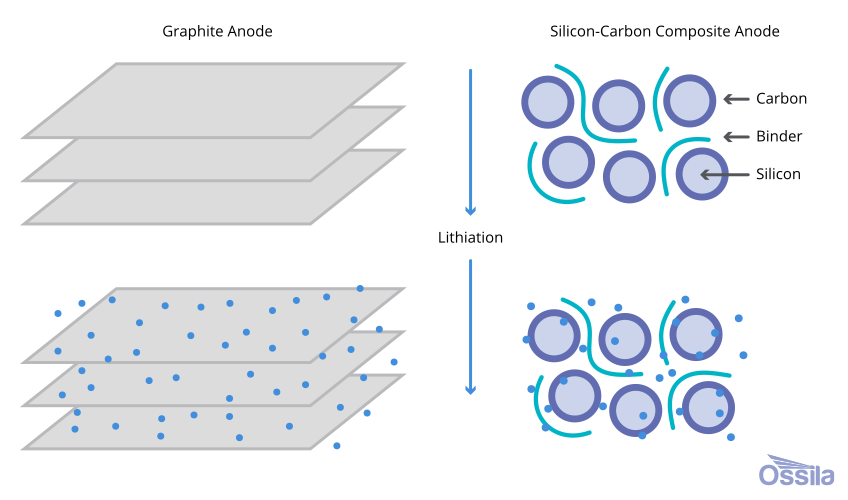
Due to this ability to host large numbers of lithium ions, the volume change of the silicon anode is dramatic (~400% if not in a composite). The carbon acts as a conductive and supportive framework to protect the battery cell from structural damage. Silicon and carbon can form a huge array of different composite structures. Finding the most effective silicon and carbon composite anode has been key in establishing high energy density silicon-carbon batteries.
The silicon-carbon composite has many design parameters to consider including lithium ion diffusion lengths and internal transport resistance. Balancing the ratio of carbon to silicon to access the largest capacity possible whilst maintaining structural integrity and conductivity is crucial. Other components can also be used such as binders, electrolyte and resulting solid electrolyte interphase (SEI) which forms on the anode surface during battery use.
Soft carbon layers can absorb the stresses generated in the silicon particles during charging and discharging. Hard carbon layers help to form a stable SEI as it protects silicon from being exposed to electrolyte. This prevents unwanted side reactions which can lead to the degradation of vital battery components. The energy discharged as a ratio of energy used in charging (coulombic efficiency) is much larger if the battery is stabilized in this way.
Silicon carbide is used to describe materials comprised of silicon and carbon arranged in a variety of crystal structures. The term may also be used to describe SiC particles bonded with other composite materials.
Materials for Silicon-Carbon Batteries
Anode Materials
The key elements for the anode are silicon and carbon. There are many forms in which they can exist within the anode in order to exploit a combination of their properties. The particle size and phase of both the silicon and carbon components determine how they interact and the resulting properties of the anode. Both micro- and nanoscale silicon particles have been used alongside a range of carbon materials:

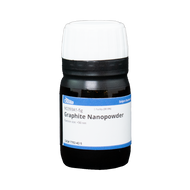
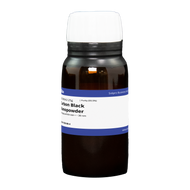
Binders: The anode may also feature binders that provide structural stability, protect silicon from unwanted reactions with the electrolyte and enhance conductivity. Some examples include, polyvinylidene fluoride (PVDF), polytetrafluoroethylene (PTFE), carboxymethylcellulose sodium, and styrene-butadiene rubber.
Cathode Materials
The cathode materials for silicon-carbon batteries are the same found in traditional lithium-ion batteries, including:
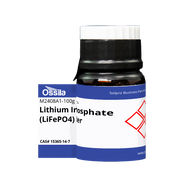

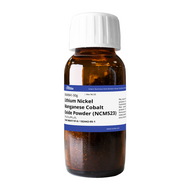
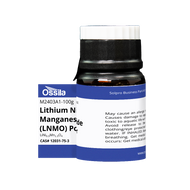
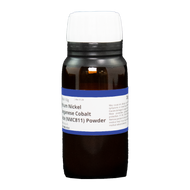
Explore more cathode active materials
Silicon-Carbon vs Pure Graphite Anodes in Lithium-Ion Batteries
The difference between silicon-carbon and tradition lithium ion batteries is the anode material. Silicon-carbon composite anodes provide a variety of advantages over traditional graphite anodes including:

Faster charging
A high lithium diffusion rate and low internal resistance means silicon-carbon batteries can accept high currents (80W to 120W+) much quicker while generating less internal heat. The concentration of vacancies (unbonded sites) in silicon can raise lithiation rates as they reduce the energy barrier to lithiation and provide extra accessible insertion sites and diffusion pathways. This boosts lithium-ion diffusivity and local storage capacity compared to a traditional graphite anode.

Better low temperature performance
Silicon improves the low-temperature kinetic performance as its higher thermodynamic potential plateau actively prevents the anode from reaching the harmful lithium-plating potential. Therefore silicon-carbon anodes have more stable cycling in freezing conditions. Graphite anodes suffer from poor low-temperature kinetic performance, resulting in reduced discharge capacity and limited fast charging. Additionally, graphit anodes can come dangerously close to the lithium plating threshold, leading to short circuits and permanent damage.

Higher capacities
Silicon can host up to fifteen Li ions per four Si atoms, which is significantly superior to graphite anodes (one Li/six C atoms). Therefore, silicon-carbon composites can provide 2-4 times the energy storage capacity by weight compared to conventional graphite.
Challenges and Limitations
The processing of silicon-carbon anodes leads to a number of challenges.
Volume Expansion and Lack of Stability
The key challenge of silicon-carbon batteries is balancing maximising the amount of silicon to host lithium ions whilst preventing anode degradation due to volume expansion. Due to the sheer number of lithium ions that each silicon atom can host, there is severe volume expansion upon lithiation. The expansion and contraction of silicon leads to cracking, destabilization of the SEI and reduced contact with the current collector. In order to prevent this issue from rendering a battery useless after one charging cycle, carbon is used to provide a conductive and supportive framework. Through the necessity of replacing silicon with carbon there is a loss of capacity in order to make the anode stable.
The charged silicon-lithium phases that are created during battery charging are incredibly reactive. They strip oxygen from surrounding surface oxides and react aggressively with organic carbonate electrolytes, causing gas generation and capacity fade. Other materials may also be added as battery components to tackle this issue such as binders which also reduce the fraction silicon within the battery which in turn reduces the battery capacity further. Different shapes and structures to provide space for silicon volume expansion and reduce the occurrence of side reactions.
Poor Conductivity of Lithium Ions and Electrons
Silicon is a semiconductor and is less conductive than graphite. One of the key role of carbon in the silicon-carbon anode is to improve conductivity. Reducing bulk silicon to nanoscale dimensions drastically shortens the diffusion distance for lithium ions, accelerating lithium-ion transport kinetics. Poor bonding interactions between the solid-solid interface of silicon and carbon within the composites can lead to poor conductivity. The same can be said for the solid-liquid interface of the anode and electrolyte. Both of these issues exist on the molecular scale and rely on molecular bonding. The loss of electrical contact as well as the formation of unstable SEI films caused by silicon expansions lead to reductions in conductivity. Heteroatom-doping of carbon has been used to promote electron transfer.
Uneven Carbon Coating
Silicon must be completely coated with carbon in order to prevent unwanted side reactions that reduce battery life. In order to maintain as much energy density as possible there must be as thin and even coat of carbon as possible. If the coating is uneven, electrons and lithium-ion pathways are disrupted, leaving certain regions of the silicon completely inactive.
Higher Cost
Manufacturing silicon-carbon batteries requires advanced equipment to process the silicon and carbon composite materials to mitigate the risks. Increasing the number of processing steps increases the cost of battery cell production.
Learn More
 An Introduction to the Solid Electrolyte Interphase (SEI)
A solid electrolyte interphase (SEI) forms on the negative electrode in lithium-ion batteries (LIBs) due to the decomposition of electrolyte. The decomposition by-products build up on the surface of the anode and form an independent phase of material, different to the electrode and electrolyte.
Read more... Graphene Batteries
Graphene batteries are advanced energy storage devices. Graphene materials are two-dimensional and are typically made solely of carbon.
Read more...
References
- Silicon Carbide-Based Anodes for Lithium-Ion Batteries: A Green..., Salussoglia, A. I. P. et al., ACS Omega (2025)
- Silicon Carbide (SiC) and Silicon/Carbon (Si/C) Composites for..., Mahmood, S. A. et al., Int. J. Mol. Sci. (2025)
- Multi-scale design of silicon/carbon composite anode materials for..., Yang, L. et al., Journal of Energy Chemistry (2024)
- A review of silicon-carbon anode materials: The role..., Saleem, M. et al., Journal of Power Sources (2025)
- Super High Capacity of Lithium Battery Silicon–Carbon Anode..., Lin, S. et al., Research (2026)