


Electrochemistry Instruments


Collections | Electrochemistry Set Up | Electrochemistry Supplies | Resources and Support
Electrochemistry is the branch of chemistry concerned with the conversion of chemical and electrical energy through redox reactions. These are known as electrochemical reactions.
Electrochemistry experiments can probe a wide range of phenomena across many fields, from biological nerve impulses and photosynthesis to industrial corrosion and geological formations. Modern electrochemistry continues to evolve, driving the development of electroanalytical sensors, high-capacity batteries, supercapacitors, and fuel cells. Furthermore, electrochemical techniques are vital for the large-scale production of aluminum, chlorine gas, and green hydrogen.
There are several techniques used to investigate these underlying electrochemical processes.
- Potentiometry: Measures the potential difference between a working electrode and a reference electrode under conditions of under a negligible current flow to determine the activity of solutes within the electrolyte.
- Dynamic Techniques: These involve measuring current (I) or potential (E) as a function of time or each other. Key examples include:
- Voltammetry
- Amperometry
- Coulometry
To gain deeper insights into a system, electrochemical measurement can be coupled with in-situ or operando techniques. These include spectroscopy (FTIR, Raman, XAS), microscopy (SEM/TEM, AFM), and diffraction (XRD). Combining multiple approaches allow researchers to observe structural and morphological changes in real-time as the electrochemical reaction proceeds.
Electrochemistry Collections
Electrode Collections
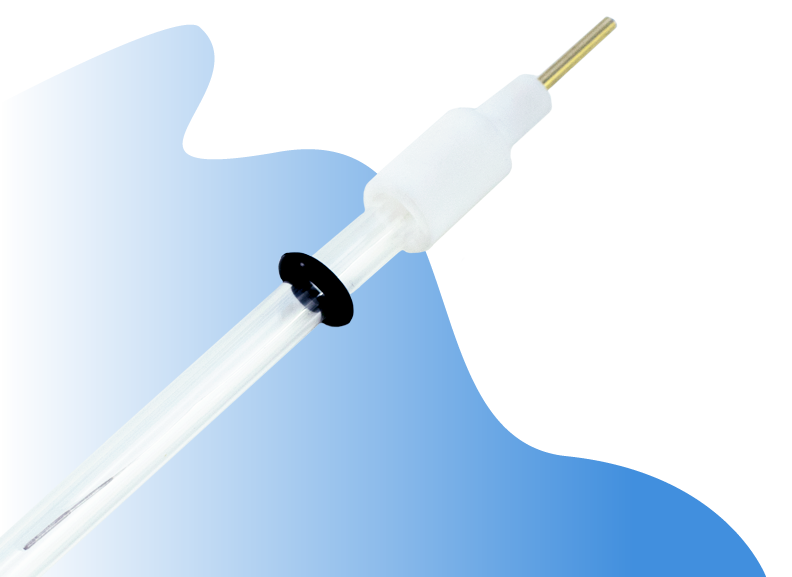

Counter Electrodes
Various materials, geometries and sizes compatible with our cells.

Reference Electrodes
Aqueous and non-aqueous reference electrodes, plus replacement half cells.

Working Electrodes
Various materials, geometries and sizes compatible with our cells.
Electrochemical Cell Collections
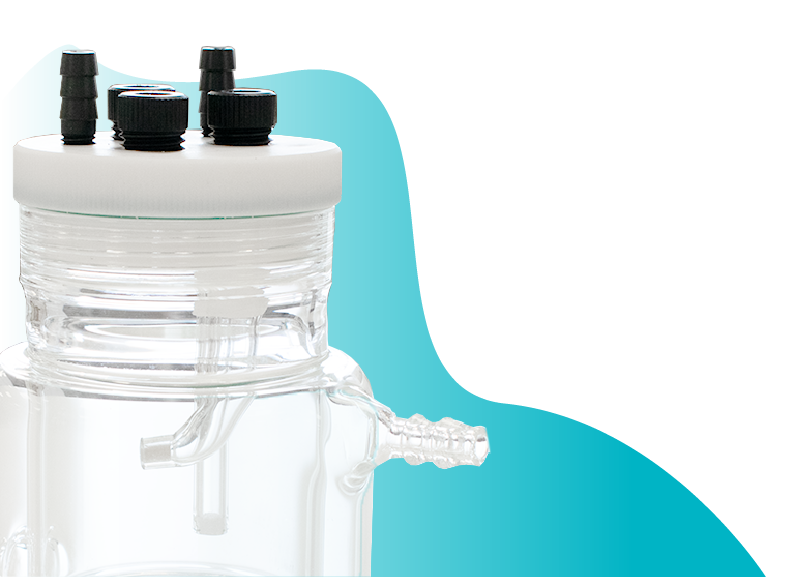
Electrochemical Cells
Designed for cyclic voltammetry, electrolysis, and more.
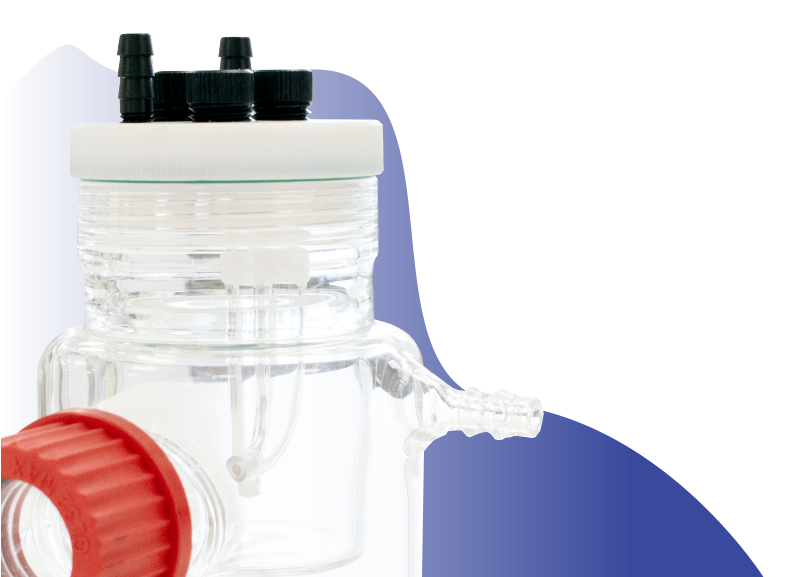
Photo-electrochemical Cells
Integrated optical windows to study photochemical processes in situ.
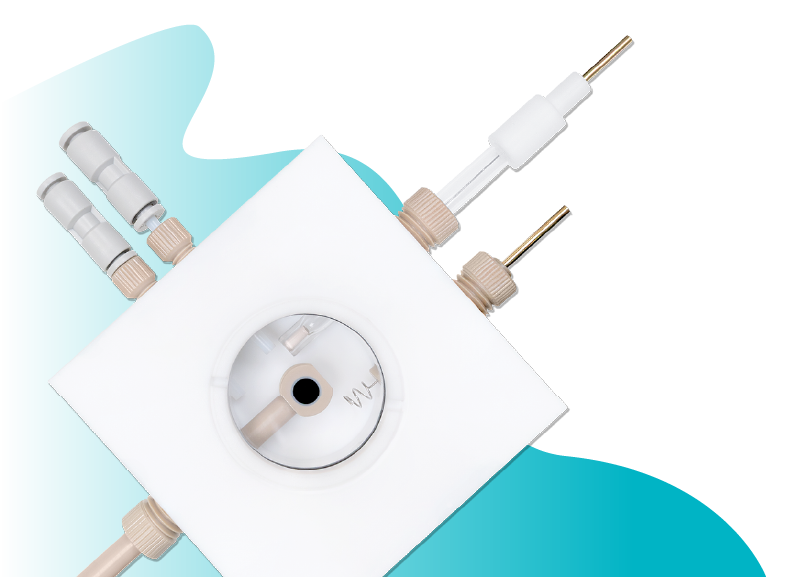
Spectro-electrochemical Cells
Real-time investigation of chemical & structural electrochemical changes.
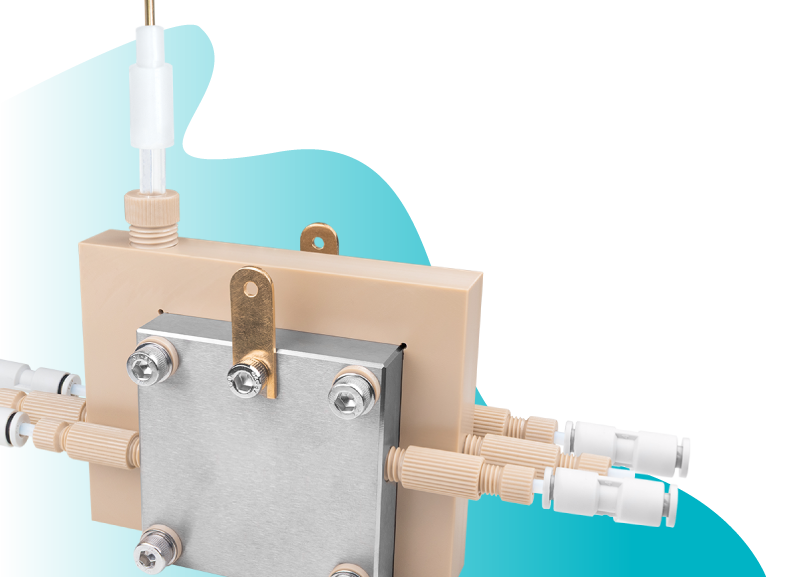
GDE Flow Cells
Gas Diffusion Electrode Flow Cells
GDE flow cells for green chemistry, clean energy, and industrial gas production.
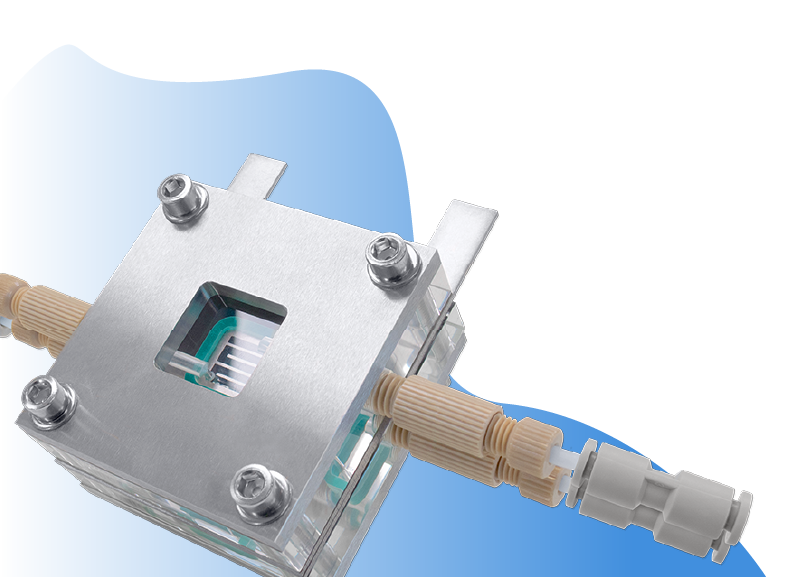
MEA Electrolyzers
High-performance electrochemical cells with a layered 'zero-gap' architecture.
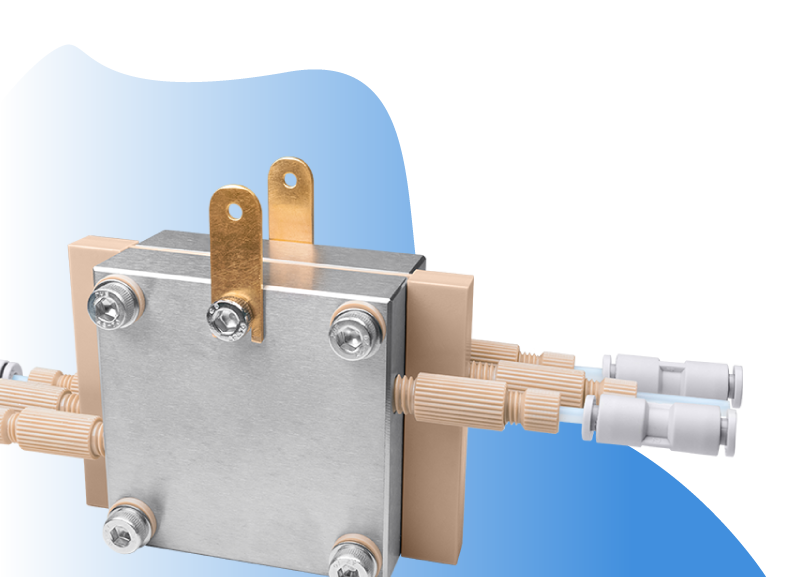
PSE Reactors
Porous Solid Electrolyte Reactors
Eliminate the liquid catholyte for direct synthesis of liquid chemicals.
Electrochemistry Set Up
Most electrochemical reactions require at least two electrodes (a working and counter electrode). A reference electrode can also be included to improve measurement reliability. These electrodes are housed in an electrochemical cell which is filled with an electrolyte material. Regardless of the cell type, specific roles are assigned to the electrodes:
- Anode: The electrode where oxidation occurs. Electrons flow out of the anode into the external circuit.
- Cathode: The electrode where reduction occurs. Electrons flow from the circuit into the cathode to be accepted by the chemical species (analyte).
Electrochemical cells are primarily classified into two types:
- Galvanic (voltaic) cells, where a spontaneously occurring reaction generates a flow of current.
- Electrolytic cell, where a non-spontaneous reaction is forced by an external power source, where the electrical energy drives the chemical reaction.

Browse Electrochemistry Supplies
Related categories: substrates and fabrication, solution making supplies, equipment accessories, general laboratory supplies
Filter by product type:
Page 1 of 2


Resources and Support
 What is an Electrochemical Cell?
An electrochemical cell is defined as a device that generates electrical energy from chemical reactions or uses electrical energy to drive chemical reactions. The simplest possible electrochemical cell consists of two connected electrodes in an electrolyte solution.
Read more... What are electrodes?
An electrode is made from conductive material that can transmit electricity. When an electric current is applied, the electrode facilitates the transfer of electrons, enabling electrical reactions.
Read more...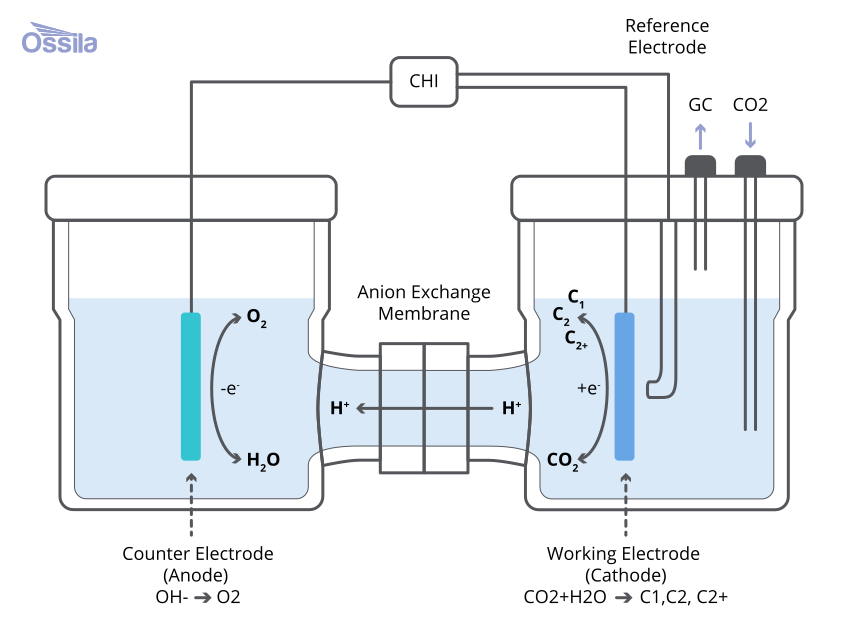 CO2 Reduction (CO2RR)
Electrochemical carbon dioxide reduction reactions (CO2RR) uses electrical energy to drive the reduction of CO2 in an aqueous or solid-state electrolyte environment. The process occurs at the cathode, where CO2 molecules accept electrons and protons to form products such as carbon monoxide (CO), formate/formic acid (HCOOH), ethylene (C2H4), or ethanol (C2H5OH). Simultaneously, an oxygen evolution reaction (OER) occurs at the anode to balance the charge.
Read more...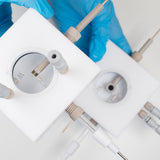 In-Situ Raman Spectroscopy
In-situ Raman spectroscopy is a non-invasive technique which combines electrochemistry and Raman spectroscopy. This technique can probe interactions, product formation and other processes that occur at electrode interfaces in real time. Standard ex-situ Raman measurements can only capture the stable end states after an electrochemical process is complete. However, in-situ Raman measurements allow you to observe chemical and structural transformations occurring at the electrode surfaces in real time.
Read more... PEEK vs PTFE
The choice of whether to use PEEK (polyether ether ketone) or PTFE (polytetrafluoroethylene, Teflon) comes down to the conditions of your planned experiments. The key polymer properties to consider are:
Read more... What is a redox reaction?
A redox reaction, also referred to as an oxidation-reduction reaction, involves the loss or gain of electrons. The loss of electrons is called oxidation and the gain of the electrons reduction.
Read more... Introduction to Bulk Electrolysis
Unlike many other electrochemical techniques, which are limited to the diffusion layer, bulk electrolysis (sometimes referred to just ‘electrolysis’) changes the composition of the bulk solution. Bulk electrolysis experiments aim to generate a quantitative conversion such that the amount of substrate consumed is directly proportional to the total consumed charge.
Read more... How to Use the Electrode Polishing Kit
A step-by-step guide for how to use the electrode polishing kit to keep your electrodes up to the highest possible standard.
Read more... Spectroelectrochemistry (SEC) Techniques
Spectroelectrochemistry (SEC) is an experimental technique that combines electrochemistry and spectroscopy. While electrochemical experiments provide information on macroscopic properties like reaction rates, spectroscopic techniques give information on a molecular level, such as the structure of molecules and their electronic configuration.
Read more...Voltammetry Support
 Cyclic Voltammetry Basics, Setup, and Applications
Cyclic voltammetry is an electrochemical technique for measuring the current response of a redox active solution to a linearly cycled potential sweep between two or more set values.
Read more...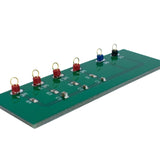 Troubleshooting Cyclic Voltammetry and Voltammograms
Cyclic voltammetry is a powerful and versatile electrochemical technique. With modern potentiostats and software packages, the method is relatively straight-forward to perform. Despite this apparent simplicity, there are still a number of things that can go wrong, particularly when setting up the electrochemical cell.
Read more... Linear Sweep Voltammetry: Introduction and Applications
Linear sweep voltammetry (LSV) is a simple electrochemical technique. The method is similar to cyclic voltammetry, but rather than linearly cycling over the potential range in both directions, linear sweep voltammetry involves only a single linear sweep from the lower potential limit to the upper potential limit.
Read more... What is Voltammetry? Types and Applications
Voltammetry is the study of the current response of a chemical under an applied potential difference. Voltammetry encompasses a number of different methods.
Read more...About Our Cells
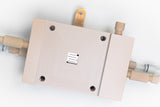 Gas Diffusion Electrodes (GDE)
A gas diffusion electrode (GDE) is a porous, multilayer electrode that facilitates the meeting of a gaseous reactant, a liquid electrolyte, and a solid catalyst at a single, well-defined interface, known as the triple-phase boundary (TPB), promoting the desired electrochemical reaction at the interface
Read more... Electrochemical CO2 Reduction: Cells and Membranes
Electrochemical CO2 reduction has moved decisively beyond proof-of-concept. As by mid-2026, a growing number of companies and national laboratories are operating continuous pilot-scale CO2RR systems, and the field has developed a reasonably clear picture of what needs to be solved at each level: catalyst, cell, stack, and system, before commercial deployment becomes viable.
Read more...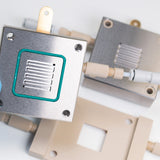 Troubleshooting CO2RR
Practical hardware decisions determine whether a CO2RR electrolyzer operates reliably at elevated current density. These include flow field plate material selection, flow field geometry, and the operational failure modes such as salt precipitation, GDE flooding, membrane degradation, and catalyst contamination that account for most lab-to-scale-up failures.
Read more...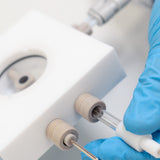 In-situ Raman Electrochemical Cell Assembly
To assemble the in-situ electrochemical cell, start by assembling the Working Electrode. Insert the Working Electrode Holder with an O-ring
Read more...