


H-Type Electrochemistry Cell Assembly and Set Up
H-cells allow for two different electrolytes in the individual compartments, so that you can optimise reaction conditions independently for the working and counter electrodes. However, proper set-up and appropriate choice of electrolyte and membrane are key when conducting electrochemistry experiments in a H-Cell.
H-Cell Assembly
- Start by assembling H-Cell membrane.
- Peel the membrane seal rings apart and attach to the membrane ports.
- Place membrane between the membrane seals and secure together using the H-cell clamp.
- At this stage, you would fill each cell with electrolyte (2/3 full)
- To position electrodes, first unscrew the electrode port feedthrough
- Place your electrode in the port, using the gasket ring to adjust penetration depth.
- Once happy, secure in place using the electrode port feedthrough. This creates a tight seal at this port.
- The gas port uses a similar sealing mechanism and should be assembled before attaching to the gas source
- Feed the 3 mm gas line through the port feedthrough, then add a gas line rubber gasket.
- Then secure this back in the gas port.
- Make sure the inlet line goes into the port with the gas bubbler.
- Once the electrode and inlet/outlet lines are assembled, fix lid back onto the half cell.
- Once all electrodes and gas lines are fitted, you are ready to start your experiment.
- If you wish to block the gas lines, you can use the gas line stopper tubes provided.
- These are assembled using the same method as the gas line to create a tight seal.
- Similarly, if you decide to use only two electrodes, you can seal the remaining with the given electrode stopper screw.
Choosing The Right Electrolytes and Membranes
When selecting the electrolytes for each half cell, you should ensure sufficient ionic conductivity between compartments is accomplished and also be mindful on potential ion gradients, pH differences, and junction potentials, which can influence electrochemical measurements and overall cell performance. In such cases, the choice of membrane or separator becomes particularly important, as it essentially governs the ion transport between compartments.
Ion-exchange membranes, such as proton (PEM) or anion exchange membranes (AEM), offer greater selectivity by allowing the transport of specific ions while helping to reduce the product crossover. When selecting a membrane, you should consider ionic conductivity, chemical compatibility, ion selectivity, and resistance to fouling or degradation, as these factors directly influence experimental accuracy and reproducibility. As membranes may introduce additional resistance


Related Products
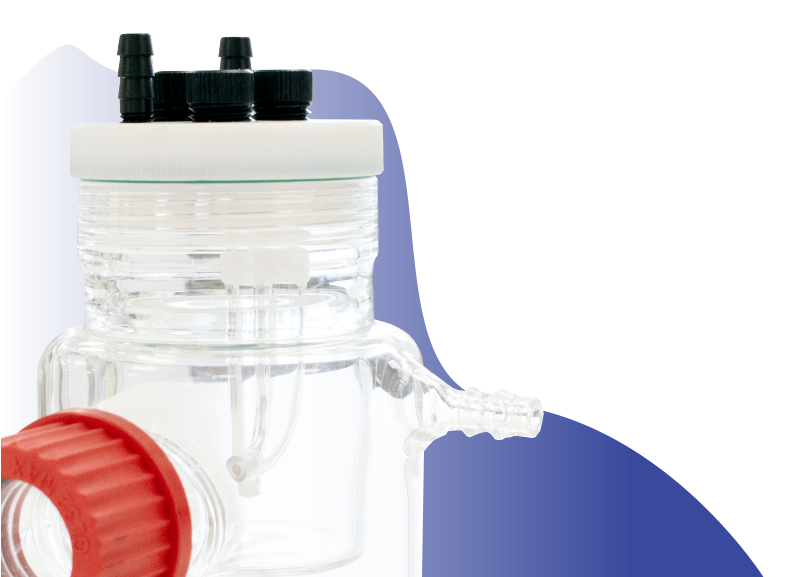
Photoelectrochemical Cells
Explore our range in photoelectrochemical cells.
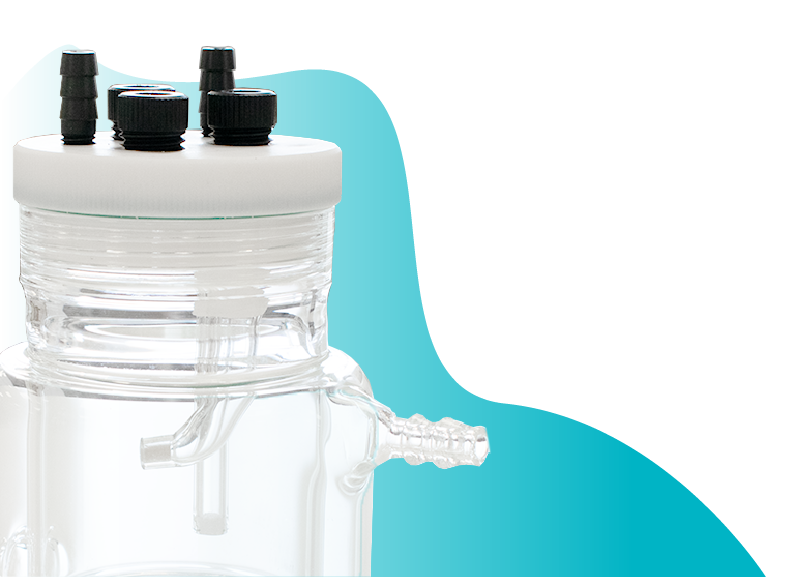
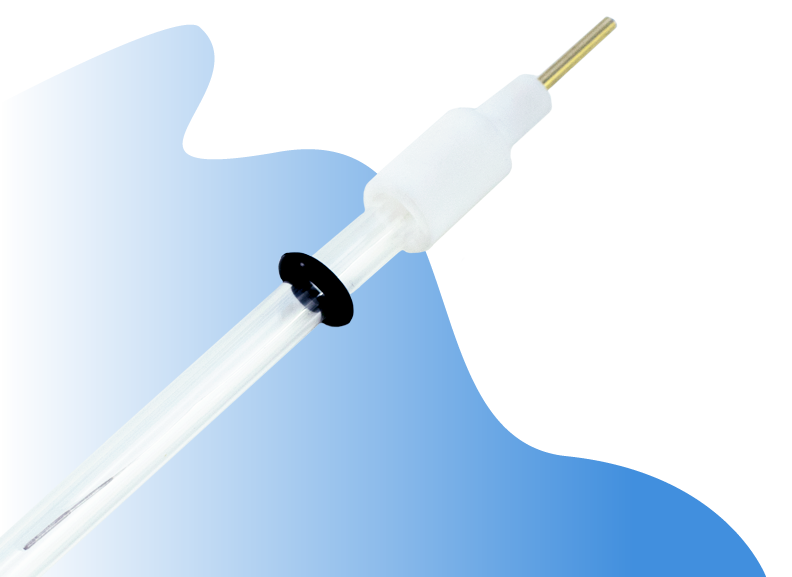
Electrodes
Explore our range of electrodes, including the glassy carbon working electrode.
Contributing Authors
Written by
Product Development Electrochemist
Application Scientist
Videography by
Graphic Designer