Luggin Probe for Reduced iR Drop
Closely position your reference and working electrodes for more accurate voltage measurements
Specifications | Gallery | Pricing | Related Products | Technical Support
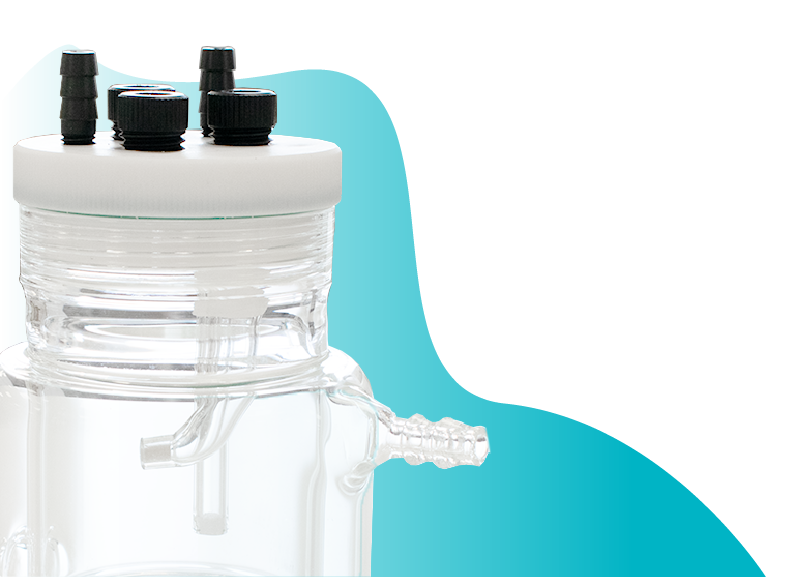
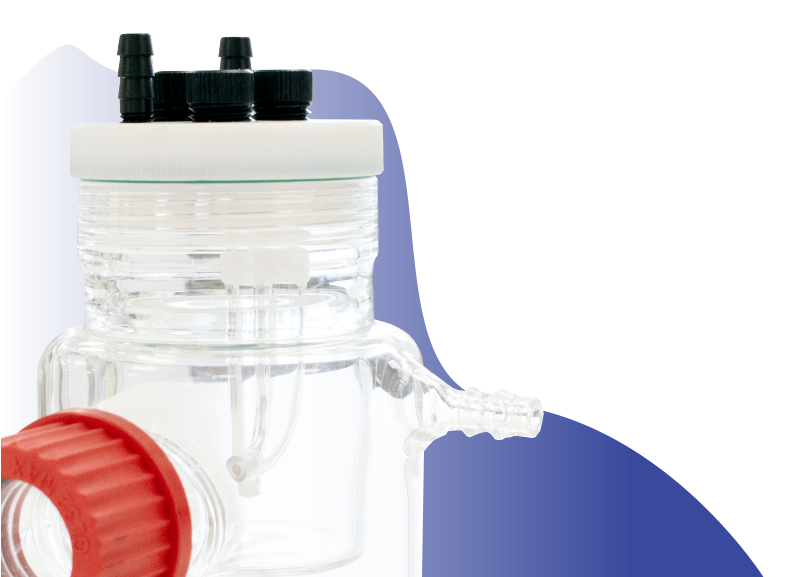
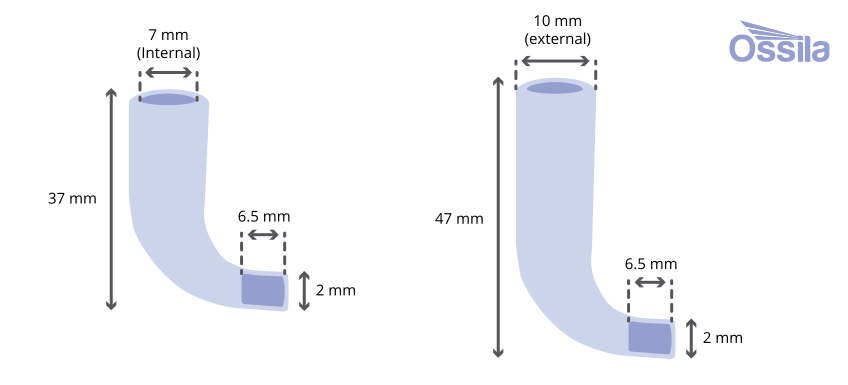
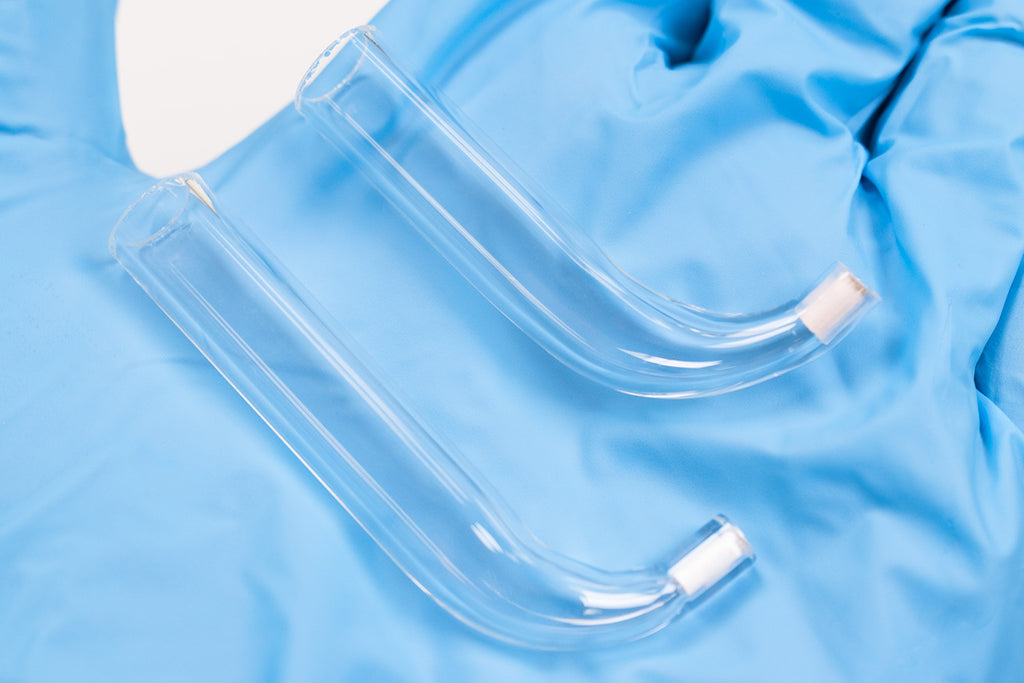
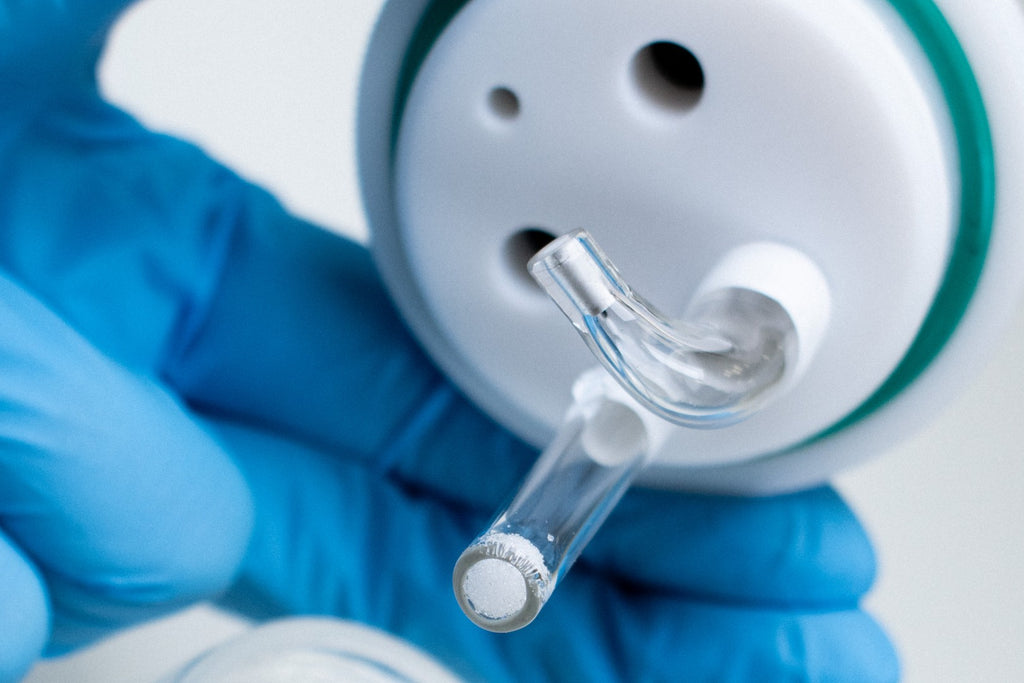
Position the tip of your reference electrode as close as possible to the working electrode surface, without obstructing current flow, to minimize the uncompensated (iR) resistance in electrochemical measurements. Available in two lengths, 34 mm and 47 mm, to suit different cell geometries and reference electrode positioning requirements.
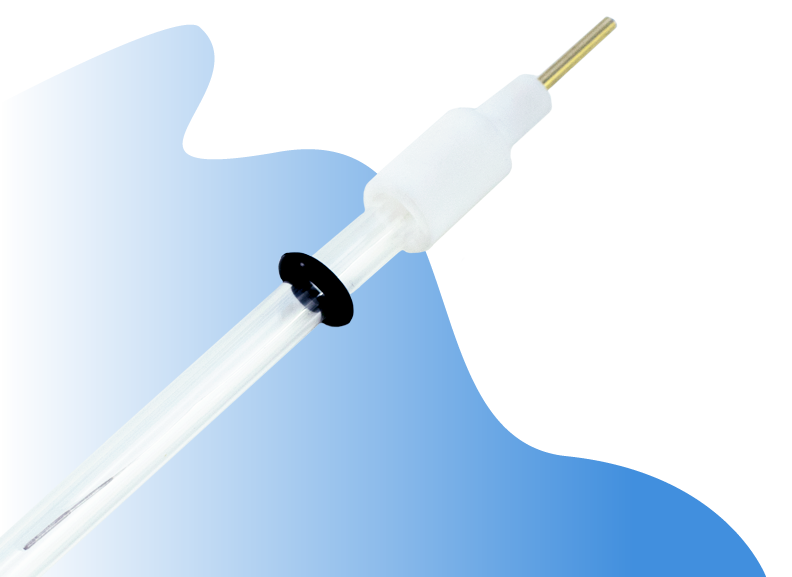
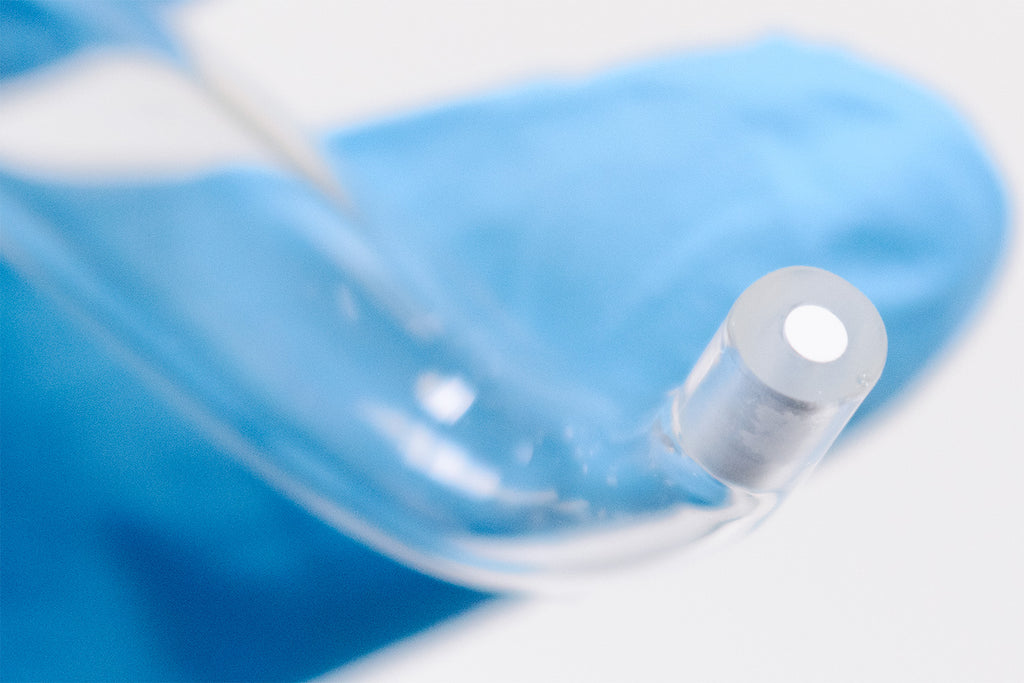
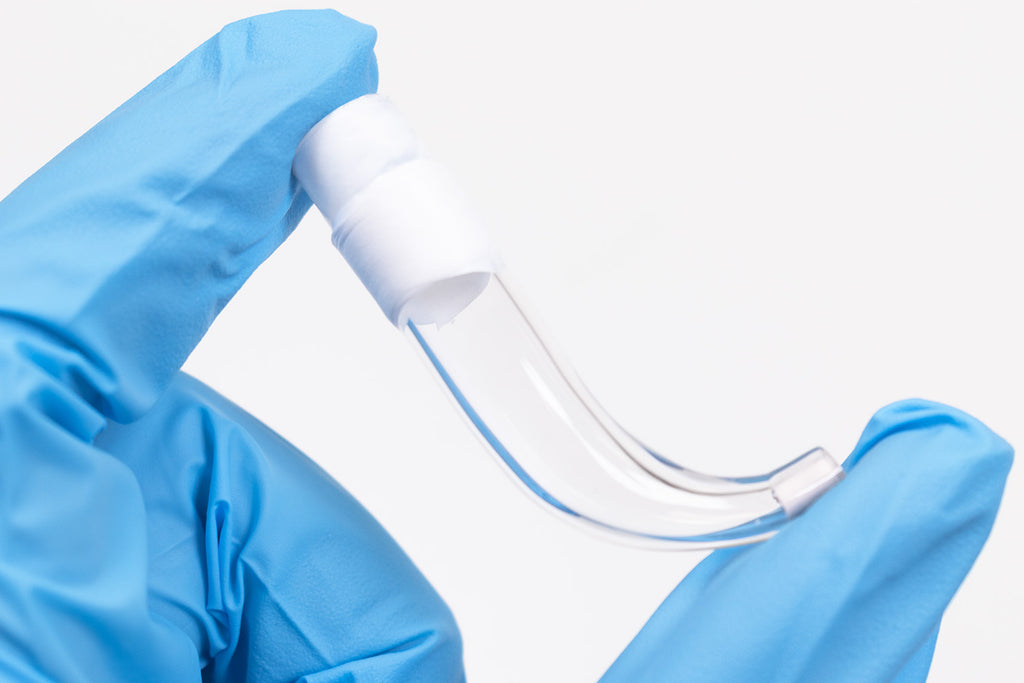
Accurate measurement of the potential between these two electrodes is essential for reliable electrochemical data. Any uncompensated resistance, particularly the solution resistance between the working electrode and the reference electrode tip, introduces error into potential measurements, distorting kinetic and mechanistic data. A Luggin capillary is a fine, curved glass tube filled with electrolyte. The term "capillary" refers to the fine bore of the tube; its narrow diameter relies on capillary forces to retain the electrolyte within the tip, preventing gas bubble entrapment and maintaining a stable, continuous ionic pathway between the reference electrode and the working electrode surface.
The capillary also functions as a secondary junction, physically isolating the reference electrode from the bulk electrolyte. This limits the ingress of reference electrode fill solution ions (such as Ag⁺ or Cl⁻) into the main cell, protecting the working electrolyte from contamination which can compromise sensitive electrochemical measurements over time.

Curved Tip Design
Close proximity positioning
to the working electrode

Secondary Junction
Reduce main electrolyte contamination and protect your measurements

Flexibility of Selection
Available in 34 mm and 47 mm lengths for different positioning requirements

Useful Compatibility
Compatible with standard
reference electrode diameter
Specifications
| Length Available | 34 mm, 47 mm |
|---|---|
| Body Material | Borosilicate glass |
| Tip Material | Ceramic |
| Tip Diameter | 1 mm |
| Outer Diameter | 2 mm |
| Compatible Reference Electrode Diameter | <7 mm |
| Electrolyte Compatibility | Not recommend for strongly acidic or alkaline, or molten salt electrolytes |
Product Gallery

Pricing and Options
| Product Name | Product Code | Price |
|---|---|---|
| Luggin Capillary (34mm) | C2041E1 | £30 |
| Luggin Capillary (34mm) - Pack of 5 | C2041E1-5 | £130 |
| Luggin Capillary (47 mm) | C2041K1 | £30 |
| Luggin Capillary (47mm) - Pack of 5 | C2041K1-5 | £130 |