


High Quality Glassy Carbon Electrode Holder
Replaceable multi-purpose glassy carbon electrode holder for electrochemical and photoelectrochemical studies
Overview | Specifications | Pricing and Options
The glassy carbon electrode holder is an electrode holder to hold conductive substrates such as ITO/FTO conductive glass, or conductive films such as conductive carbon paper, foamed nickel or self-made conductive films. With a glassy carbon disk embedded in one side of the slit area, the glassy carbon electrode holder helps to secure the conductive substrate or film in place as working electrode.
Compared with platinum, glassy carbon is cheaper and has a wider negative potential window. Glassy carbon electrodes offer advantages such as high electrical conductivity and excellent chemical stability, making them ideal for a broad range of electrochemical applications. Also, glassy carbon will not have side reactions such as hydrogen evolution when it comes into contact with the electrolyte while platinum electrode facilitates the hydrogen evolution reaction by catalysing the conversion of protons to hydrogen gas.

Test Your Own Electrodes
Plug-and-play with virtually any flat, conductive films

Highly Inert
Suitable for a wide range of EC experiments

Wide Potential Window
For use under a broad voltage range

Expert Support
From in-house scientists & our
customer care team
For the complete package, buy the glassy carbon plate electrode holder with our high quality reference electrode, counter electrode, working electrode, electrochemical cell and our affordable Ossila potentiostat to start your electrochemical studies.
Specifications
All dimensions are in millimeters.

| Body Material | PEEK |
|---|---|
| Body Diameter | 6 mm |
| Body Length | 80 mm |
| Binding Post | Gold-plated copper rod |
| Conductive Material | Glassy carbon |
| Conductive Material Diameter | 3 mm |
| Thickness of Clampable Sample | ≤ 3 mm |


Pricing and Options
| Product Name | Product Code | Price |
| Glassy Carbon Electrode Holder - 3 mm diameter - 2 mm Slit, PEEK Body | C2029G1 | £310 |
| Glassy Carbon Electrode Holder - 3 mm diameter - 3 mm Slit, PEEK Body | C2029H1 | £310 |
Learn More
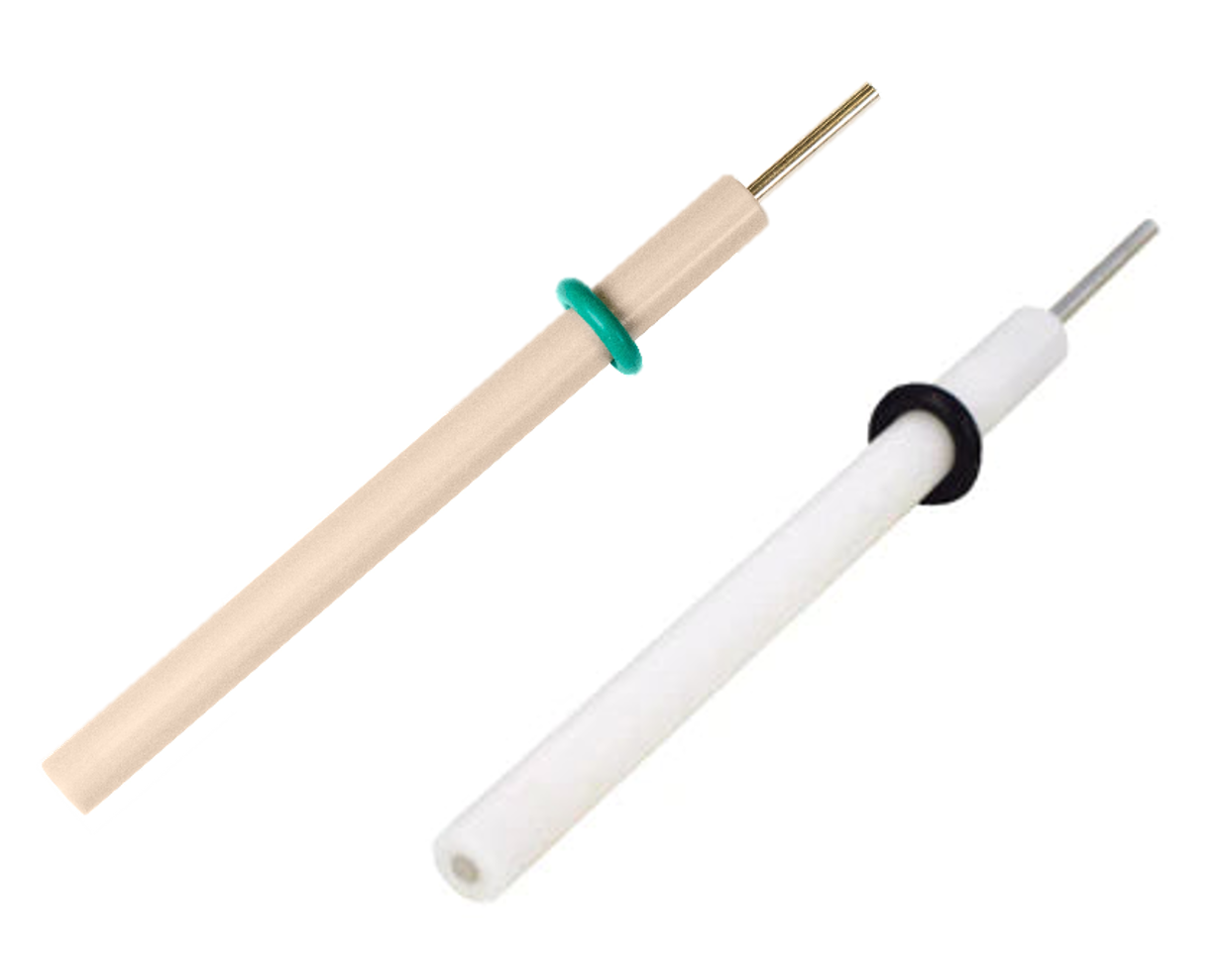 PEEK vs PTFE
The choice of whether to use PEEK (polyether ether ketone) or PTFE (polytetrafluoroethylene, Teflon) comes down to the conditions of your planned experiments. The key polymer properties to consider are:
Read more...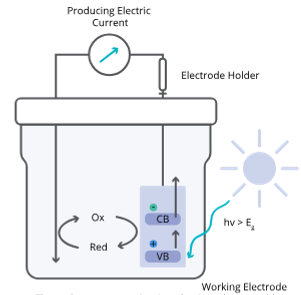 What is a Photoelectrochemical Cell?
A photoelectrochemical cell (PEC) is a device that converts solar energy (light) into chemical energy or electricity. Light activates a semiconductor or photosensitizer component within the cell.
Read more...