


Rotating Disk Electrode for Laminar Electrolyte Flow to Electrode Surface
For precise studies of reaction mechanisms, catalyst properties, and kinetic studies of reacting species
Overview | Specifications | Gallery | Related Products | Resources and Support
A rotating disk electrode (RDE) is used in electrochemical reactions in order to study electrode kinetics and the mechanisms of electrode processes. With a spinning disk at the bottom end of the electrode, it creates controlled fluid flow with a steady-state current and diffusion layers. Rotating the electrode at a controlled rate creates a consistent, laminar flow of the electrolyte towards the electrode surface, establishing a specific concentration gradient within the diffusion layers. This concentration gradient is a critical factor in determining the mass transport limited current.
As the working electrode, the RDE is a classic hydrodynamic electrochemical technique based on controlled convective mass transport by well-defined electrolyte flow. The flow of electrolyte is primarily affected by the rotation rate of the RDE and physical properties of the electrolyte solution itself. RDE enables precise studies of reaction mechanisms, catalyst properties, kinetic studies of reaction rates and diffusion coefficient of reacting species. RDE has also been engaged in the evaluation of catalyst performance, especially for reactions like the oxygen reduction reaction (ORR). The Ossila Rotating Disk Electrode is compatible with relevant Pine products*.

Laminar Flow of Electrolyte
Increases mass transport for ORR,
OER, and HER studies

Highly Inert
Suitable for a wide range of
EC experiments

High Quality Materials
Made from reliable glassy carbon
and platinum

Expert Support
From in-house scientists & our
customer care team
*Ossila is not affiliated with, endorsed by, or sponsored by Pine Research. Compatibility information is based on published interface standards.
Rotating Disk Electrode (RDE) Specifications
| Disk Diameter | 5 mm |
|---|---|
| Body Diameter | 15 mm |
| Body Length | 30 mm |
| Thread Length | 20 mm |
| Disk Material | Glassy Carbon |
| Body Material | PTFE |

Product Gallery


Literature and Reviews
- S. Martens et al. (2018), A comparison of rotating disc electrode, floating electrode technique and membrane electrode assembly measurements for catalyst testing, J. Power Sources, 392, 274-284; DOI: 10.1016/j.jpowsour.2018.04.084.
- M. Tesch et al. (2023), The rotating disc electrode: measurement protocols and reproducibility in the evaluation of catalysts for the oxygen evolution reaction, Energy Adv., 2023, 2, 1823-1830; DOI: 10.1039/D3YA00340J.
- Y. Gao et al. (2023), Origin of High Activity and Durability of Confined Ordered Intermetallic PtCo Catalysts for the Oxygen Reduction Reaction in Rotating Disk Electrode and Fuel Cell Operating Conditions, ACS Catal., 13 (16), 10988–11000; DOI: 10.1021/acscatal.3c01926.
Related Products


Resources
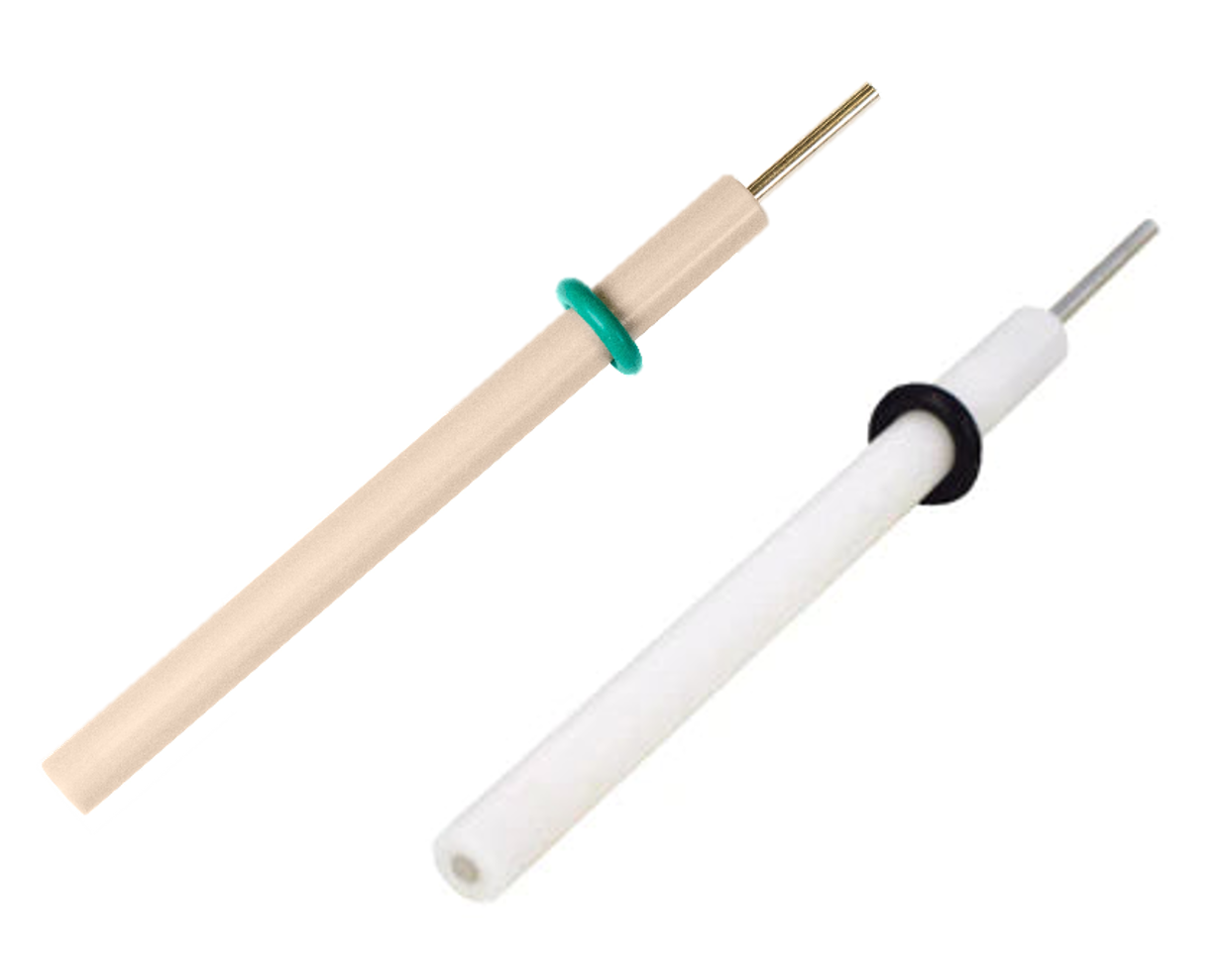 PEEK vs PTFE
The choice of whether to use PEEK (polyether ether ketone) or PTFE (polytetrafluoroethylene, Teflon) comes down to the conditions of your planned experiments. The key polymer properties to consider are:
Read more...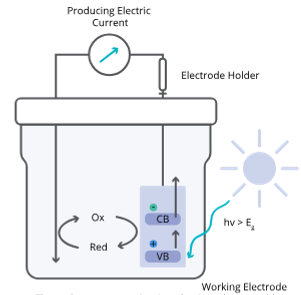 What is a Photoelectrochemical Cell?
A photoelectrochemical cell (PEC) is a device that converts solar energy (light) into chemical energy or electricity. Light activates a semiconductor or photosensitizer component within the cell.
Read more...Technical Support